Performance Blog | Command Post #2 | Hell Let Loose: Vietnam

The Command Post: Performance Update Blog
Welcome to our latest Command Post, where we're taking a closer look at the ongoing performance work for Hell Let Loose: Vietnam.
Since the Open Beta, the team at Expression Games have been analysing all of the player data and gameplay data to better understand the performance issues experienced across a wide range of PC hardware. The insights gained have helped guide our optimisation efforts as we continue to improve the performance in the lead-up to launch.
In this Command Post, Hell Let Loose: Vietnam Game Director Paul "Rushy" Rustchynsky and Studio Technical Director Kieran D'Archambaud share an update on the team's progress, explain some of the work taking place behind the scenes, and discuss how these improvements are helping shape the build ahead of the upcoming crossplay playtest.
What we learned from the Open Beta
*Rushy*: “The Open Beta gave us an invaluable opportunity to see Hell Let Loose: Vietnam running across both a wide variety of PC hardware, as well as a huge range of gameplay scenarios. Alongside the feedback you shared through our surveys, forums and social channels, we were able to collect a vast amount of real-world data that has helped shape our ongoing optimisation work.
By analysing this data, we've been able to identify a number of areas where performance was being limited across the GPU, CPU and server. These bottlenecks didn't affect every player in the same way, which is why performance varied depending on hardware, graphics settings and the situations players found themselves in during a match.
More than just performance
Performance also had a wider impact than frame rate alone.
Some of the issues players experienced, including animation smoothness, player movement, voice chat quality and input responsiveness, were influenced by the underlying performance of both the client and the server. As we've continued to improve these systems, we've also been addressing a number of issues that were contributing to these gameplay experiences.
Video settings
We've also spent time improving how the Video Settings menu behaves. During the Open Beta, some players found that graphics settings weren't always selecting appropriate defaults for their hardware, applying correctly or saving reliably between sessions. We've made improvements in these areas to provide a more consistent experience, while continuing to refine how the game scales across different PC configurations.
Optimisation remains one of our highest priorities as we continue development. The work completed since the Open Beta has already helped us address a number of issues that players reported, and we'll continue building on these improvements ahead of the next playtest.”
Building on Unreal Engine 5
Kieran: “We've previously spoken about our approach to developing Hell Let Loose: Vietnam in Unreal Engine 5 (UE5). Rather than adopting every new feature by default, we've been selective about which technologies best support the scale and gameplay that Hell Let Loose is known for. This allows us to take advantage of improvements offered by UE5 while continuing to optimise performance for large, combined-arms battles.
Large World Coordinates
One of the technologies we're using is Large World Coordinates. In previous generations of the engine, such as what we use in Hell Let Loose with it’s UE4 engine, moving through expansive maps would require background processes that contributed to intermittent stutters. Large World Coordinates removes the need for that approach, giving us a stronger foundation for delivering smoother traversal across our larger environments. While optimisation work is still ongoing, this is one of the technologies helping us improve overall performance.
Iris
We've also upgraded our networking to Iris, UE5's replication system. In large multiplayer matches, game servers can occasionally come under heavy load, which may contribute to issues such as rubberbanding or inconsistent hit registration. Iris provides a more modern and efficient way of synchronising gameplay data between the server and connected players, giving us a stronger foundation as we continue improving server performance and responsiveness.
These engine improvements are just a small part of our wider optimisation effort. Combined with the work we've been doing across the client, server and gameplay systems, they are helping us address many of the issues identified during the Open Beta. As always, your feedback during future playtests will play an important role in helping us validate these improvements and guide further optimisation.”

Graphics Settings and PC Features
Rushy: “In Hell Let Loose: Vietnam, we have introduced a range of new graphics options, giving players more control over how the game looks and performs on their PC. These settings are designed to help you tailor the experience to your hardware and priorities, whether you're aiming for higher image quality, increased performance, or a balance of both.
Image Reconstruction
Players with supported AMD and NVIDIA graphics cards will have access to modern image reconstruction technologies, including TSR (Temporal Super Resolution) and DLSS (Deep Learning Super Sampling).
These technologies render the game at a lower internal resolution before intelligently reconstructing the final image, helping improve performance while maintaining high image quality. They also provide advanced anti-aliasing, resulting in a cleaner and more stable image during gameplay.
Frame Generation
Players using supported NVIDIA GeForce RTX 40 Series graphics cards and newer can also enable Frame Generation.
Frame Generation can increase perceived frame rates by generating additional frames between those rendered by the game. It is generally most effective when your base frame rate is already running smoothly, as enabling it at lower frame rates can increase input latency. For the best experience, we recommend using Frame Generation alongside a solid baseline level of performance.
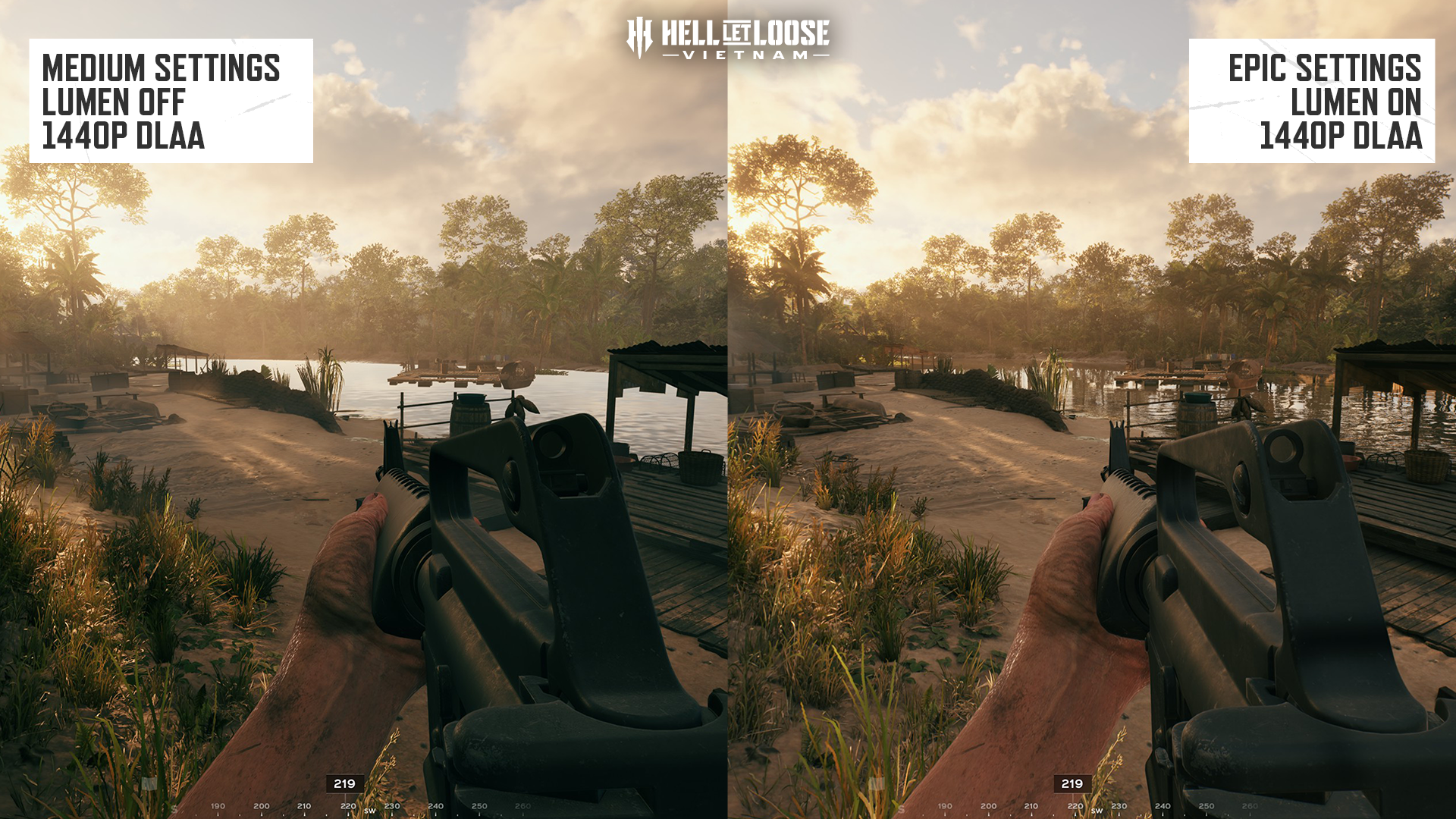
Hardware Lumen
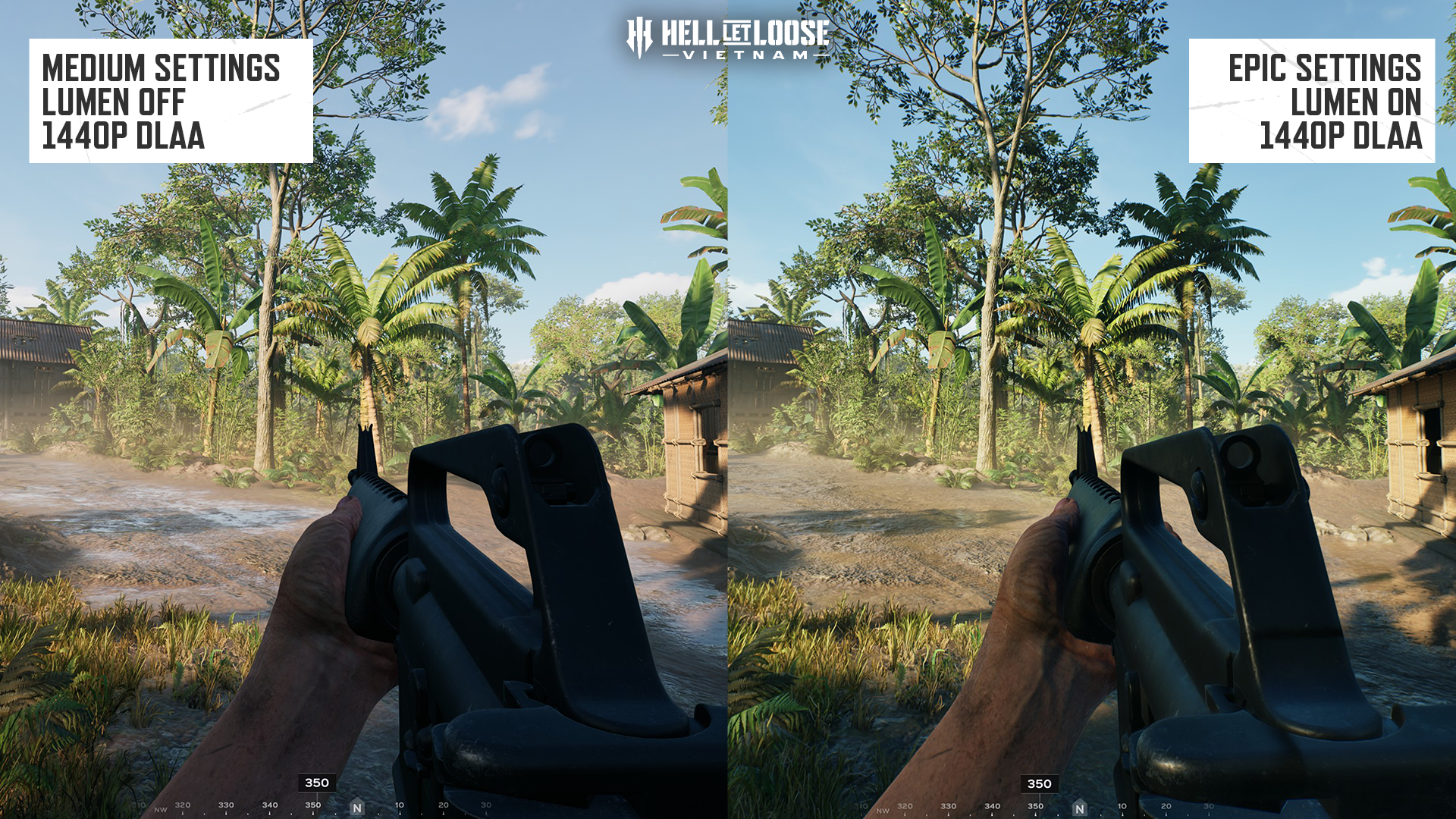
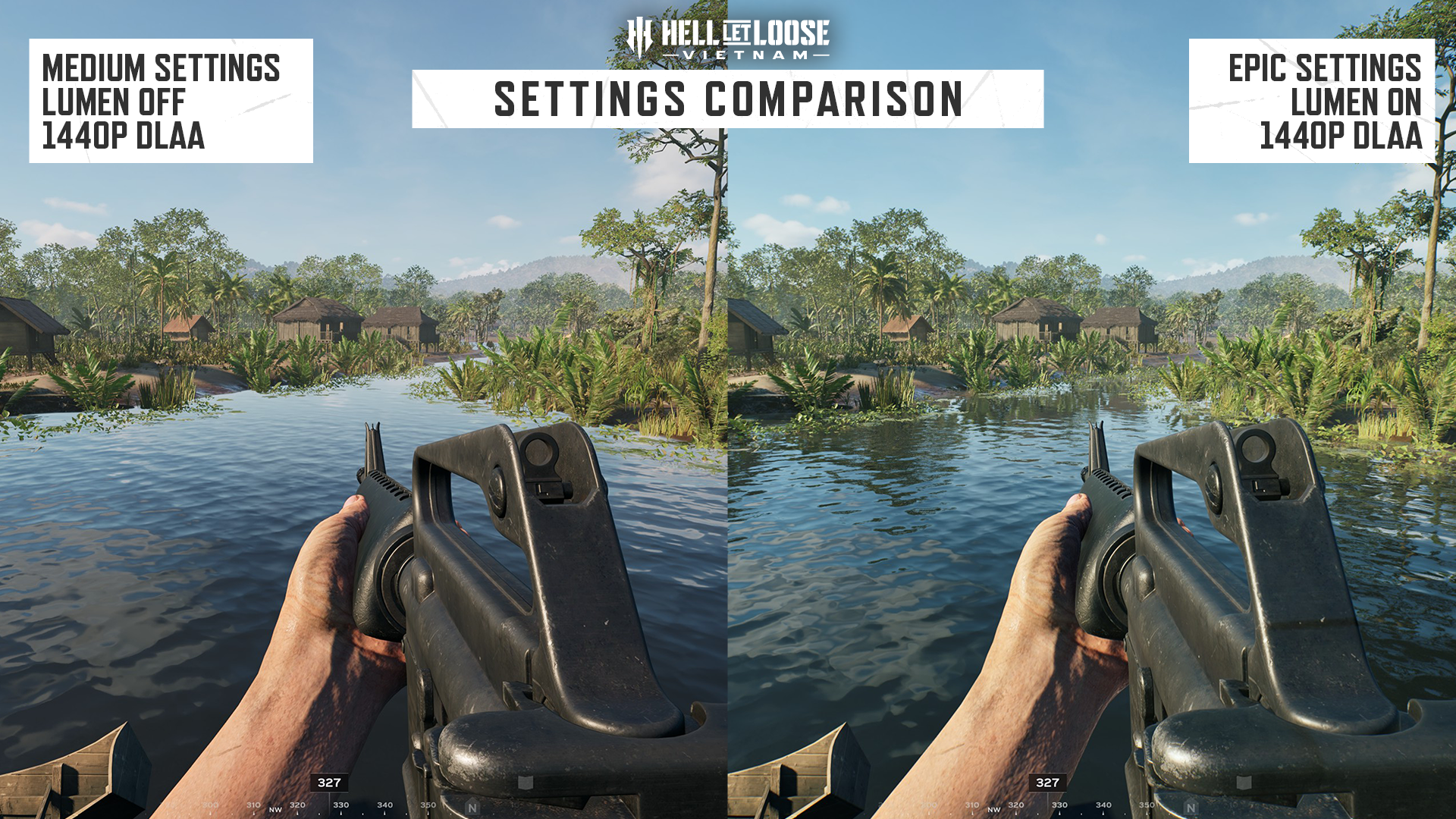
For players with high-end PCs, Hardware Lumen provides advanced lighting and shadowing using hardware-accelerated ray tracing.
As this feature places a significantly higher workload on your GPU, its intended as an optional visual enhancement for systems with the performance headroom to support it.
Together, these settings provide greater flexibility across a wide range of PC hardware, allowing players to choose the combination of image quality and performance that best suits their system.”
Performance Across Console and PC
Kieran:“Optimisation remains an ongoing priority across every platform we plan to support.
Our goal is to deliver a smooth and responsive gameplay experience across all supported platforms. Optimisation is ongoing, and we're continuing to improve performance and FPS across all platforms ahead of launch.
PC
On PC, the optimisation work completed so far, combined with expanded graphics options as mentioned above, gives players more flexibility to balance image quality and performance based on their individual hardware. This is something that we will continue refining these systems as development progresses.
Console
Console optimisation is progressing alongside PC development. Many of the improvements we're making to core engine systems, rendering and gameplay performance benefit every platform, allowing us to improve the overall experience regardless of where you play.
We look forward to sharing some console gameplay soon, alongside getting console players into the crossplay playtest.”
The Optimisation & Development Process
Rushy: “Optimisation is an ongoing part of game development, but it becomes an even greater focus as a project approaches launch. Once the core gameplay features are in place, the team can spend more time profiling performance, identifying bottlenecks and refining the overall experience across a wide range of hardware.
Since the Open Beta, we've been working through all our findings, profiling the game and making improvements across rendering, gameplay systems, networking and memory usage. Many of these changes target specific performance bottlenecks identified during the Open Beta, while others are broader optimisations that benefit the game as a whole.
Optimisation doesn't end when the game releases. We'll continue monitoring performance, listening to community feedback and making improvements after launch to support the broadest possible range of hardware and deliver the best experience we can.
We're looking forward to hearing your feedback when you get hands on with the updated build later this July.”
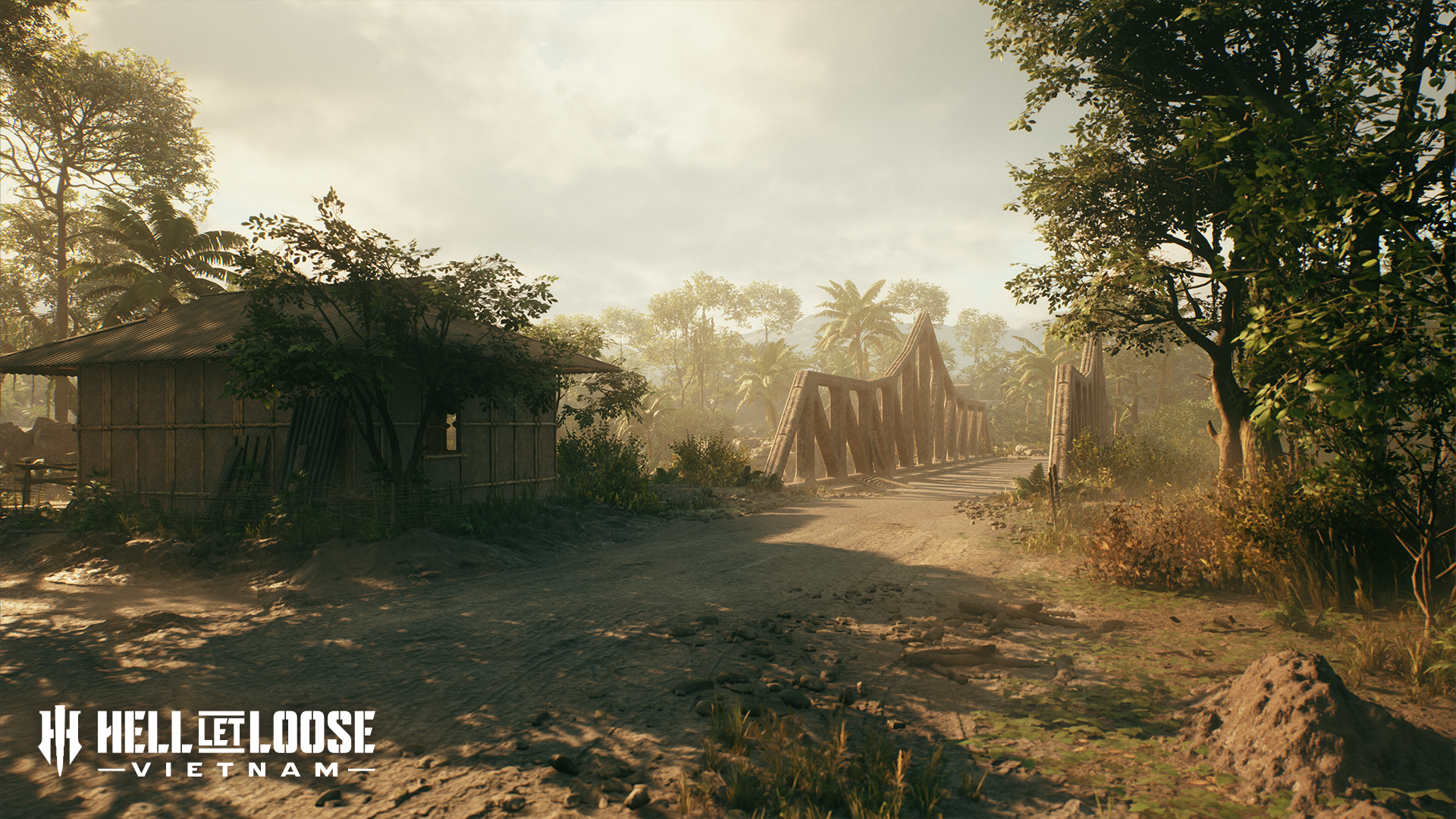
Over the coming weeks, we'll be sharing much more about Hell Let Loose: Vietnam, from detailed looks at weapons to behind-the-scenes insights into how we're building an authentic Vietnam experience.
Be sure to follow us on all our social platforms to stay up to date with what's coming. Thank you for your support, and stay tuned.